
Herb Gardening
Herb gardening is a wonderful way to add freshness to your life. Herbs can be used to flavor cooking and to create soothing teas, scented soaps, and oils. The following is a list of some of our favorite herbs and some helpful tips for getting the most out of your herb garden.
(Click to open a printable PDF version of the information below.)
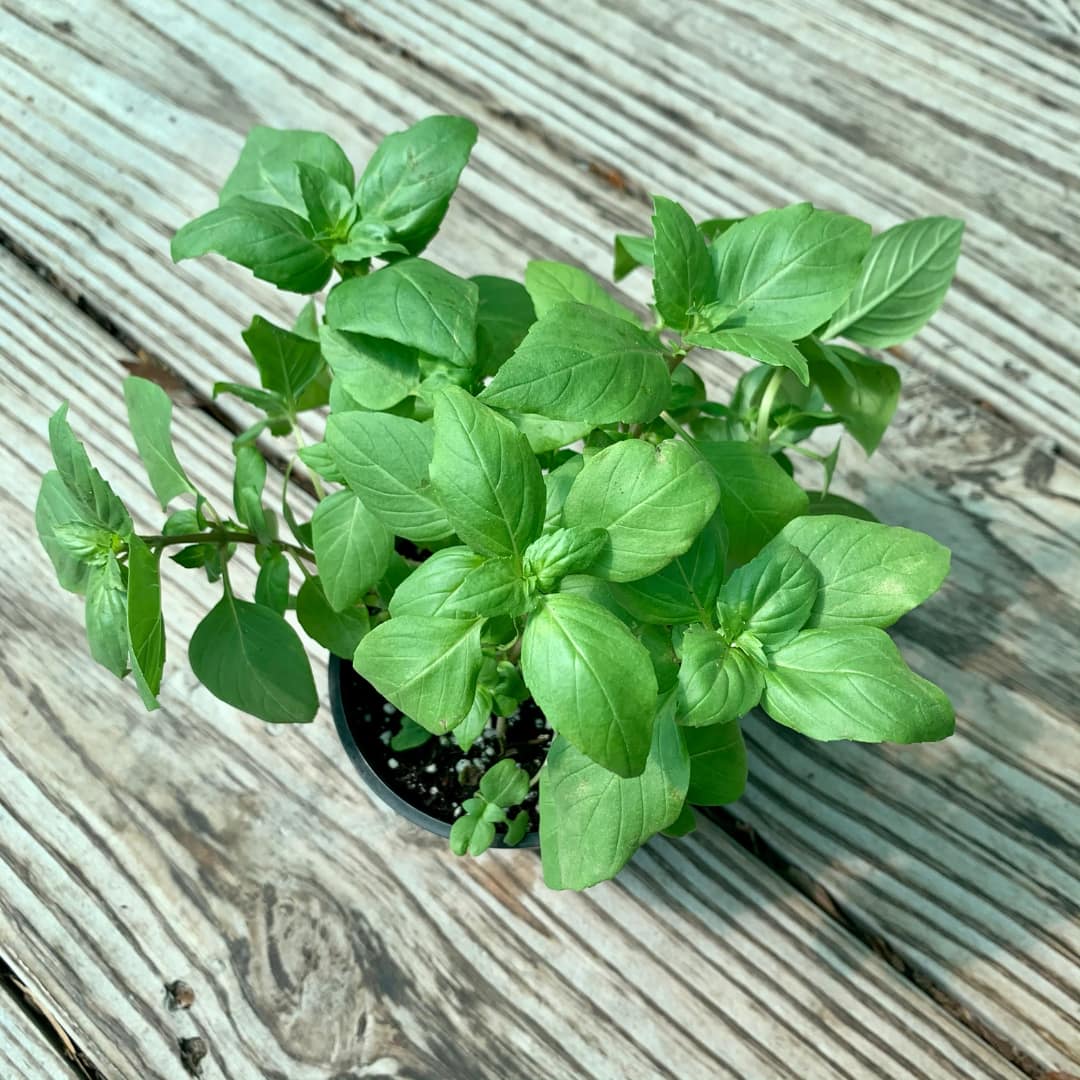
Sweet Basil is an attractive annual that grows to 18 inches tall. Pick green leaves to use in cooking. Chefs love to use basil in tomato dishes or diced finely and whipped with butter for a tasty spread.
Catnip is a hardy perennial that grows 3 to 4 feet tall. Catnip’s leaves can be used to make a calming tea. This plant is also a favorite of cats.
Chives are small onion-like plants that grow in clumps reaching about 10 inches in height. They are perennial and, as a bonus, produce decorative purple flowers every year. Chives can be finely diced and added to almost anything to give a subtle onion flavor.
Cilantro, also called Coriander and Chinese Parsley, has parsley-like leaves that add a strong, fresh flavor to many side dishes like salsa and guacamole.
Dill is an annual with finely divided leaves. The plant usually grows to 3 feet high. Both the leaves and seeds can be used to flavor pickles and added to egg salad or salmon.
Lemon Grass adds a hint of lemon to soups and stews. Add grass blades to white wine vinegar to infuse for use in salad dressings.
Marjoram is similar to oregano, but milder. When grilling, rub leaves on meat and let sit before cooking.
Oregano has a rich flavor that goes well with tomato-based dishes. Oregano can be finely chopped and used as a rub or used whole by tucking sprigs under the skin of chickens for roasting.
Parsley, available as Curly and Italian, is a member of the carrot family. Parsley’s uses are unlimited. It adds a subtle fresh flavor to every dish and makes a beautiful garnish.
Rosemary is a perennial herb whose needle-like leaves are used to infuse oils and to add delicious flavor to meats, fish, potatoes, and sauces.
Sage has a very strong flavor and is often used in sausages and poultry stuffing.
Tarragon is a hardy perennial with yellow blossoms. It has a strong licorice flavor when chopped and tastes good when sprinkled over fruit.
Thyme comes in several varieties, Traditional, Lemon, and Silver to name a few. It adds excellent flavor to chicken and pork.
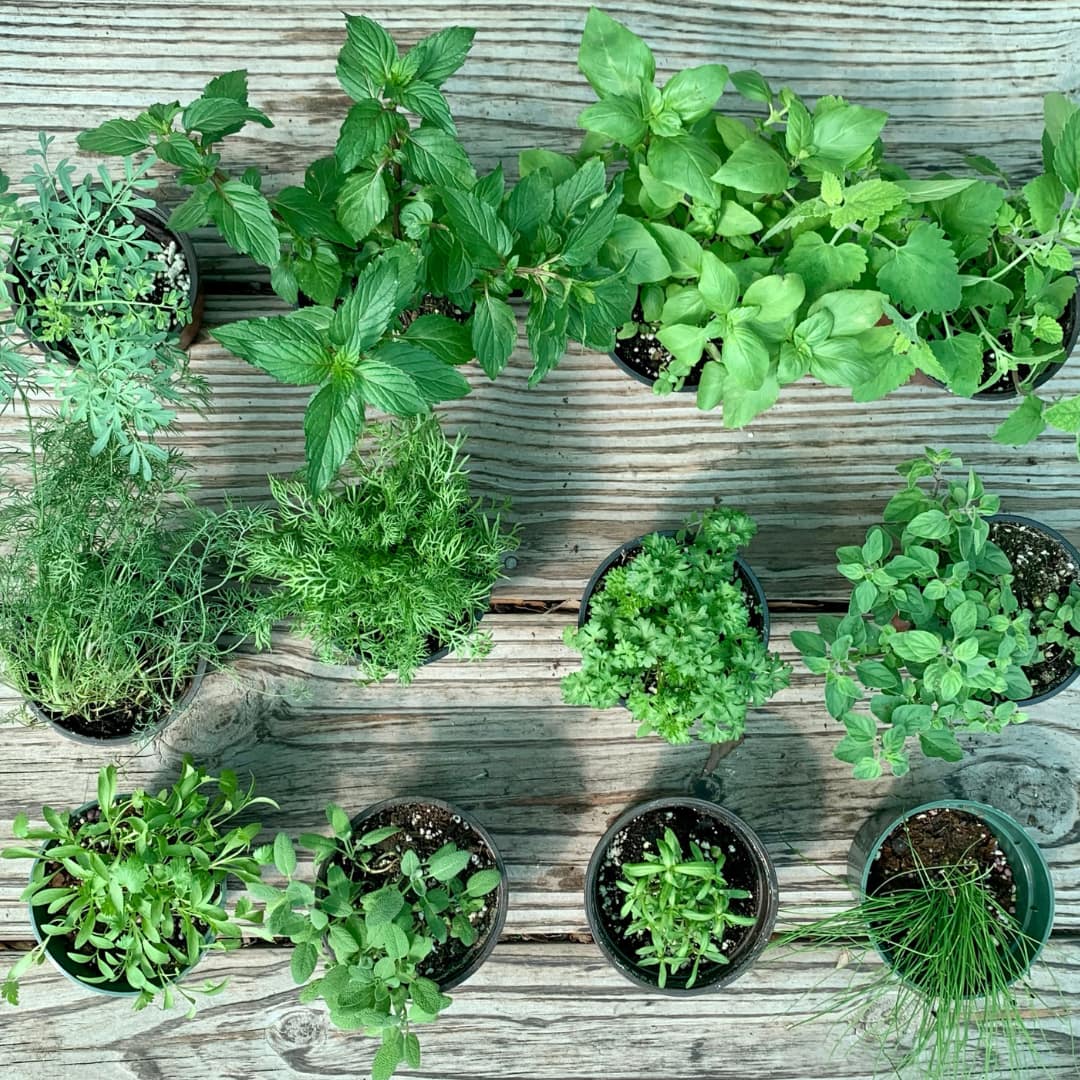
Herb Combinations, Gift Ideas and Other Helpful Tips
Bath Thyme: Infuse oil with these herbs to create a soothing atmosphere. Lavender, Rosemary, Mint, Eucalyptus, Chamomile, Lemon Grass, Lemon Thyme.
Butterfly Basket: Parsley, Dill, Fennel, and Rue attract the black swallowtail butterfly. These herbs serve as the host plant for the caterpillars that will become butterflies, so don’t be alarmed if you see them munching. You will soon see beautiful black and yellow butterflies in your garden.
Chef’s Delight: Basil, Oregano, Parsley, Chives, and Sage are a great combination for the cook in your family.
Fragrance Garden: Basil, Bee Balm, Catnip, Chamomile, Lavender, Lemon Balm, Lemon Verbena, Marjoram, Mint, Pennyroyal, Rosemary, Sage, Thyme.
Herbal Tea Party: Pour 1 pint of boiling water over 1-ounce fresh leaves. Steep several minutes and enjoy. Use any of the following: Catnip, Lemon Verbena, Marjoram, Mints, Rosemary, Sage, Chamomile, Thyme, Rue.
Scarborough Fair: Create a gift basket of Parsley, Sage, Rosemary, and Thyme while humming this Simon & Garfunkel tune.
Preservation and Storage
- Air-drying: To air-dry herbs, hang in bunches upside down in a dark, well-ventilated area. Or spread in a thin layer on a screen covered with cheesecloth.
- Oven-drying: Spread a thin layer on a cookie sheet and bake at no more than 120°F until they are dry and crispy.
- Microwave-drying: Place a few sprigs on a towel and heat on the lowest setting for 30 seconds at a time until dry and crumbly. Timing will vary with different herbs.
- Freezing: Remove leaves from stems. Herbs with small, fine leaves should be frozen on the stem. Other larger leaves can be chopped or frozen whole. Place them flat in a zip-top bag and place in freezer where they won’t get crushed. Thaw them out and use them the same as you would fresh herbs.
- Freeze chopped herb leaves in ice cube trays, then drop into sauces whenever you need them.
- Store dried herbs in airtight containers away from heat and light. Glass is best because plastic will absorb the essential oils.
- Most herbs can be stored, dried or frozen, for up to a year. After that they begin to lose flavor.
Anybody can sell you plants, we make sure you succeed.