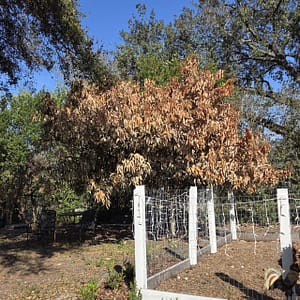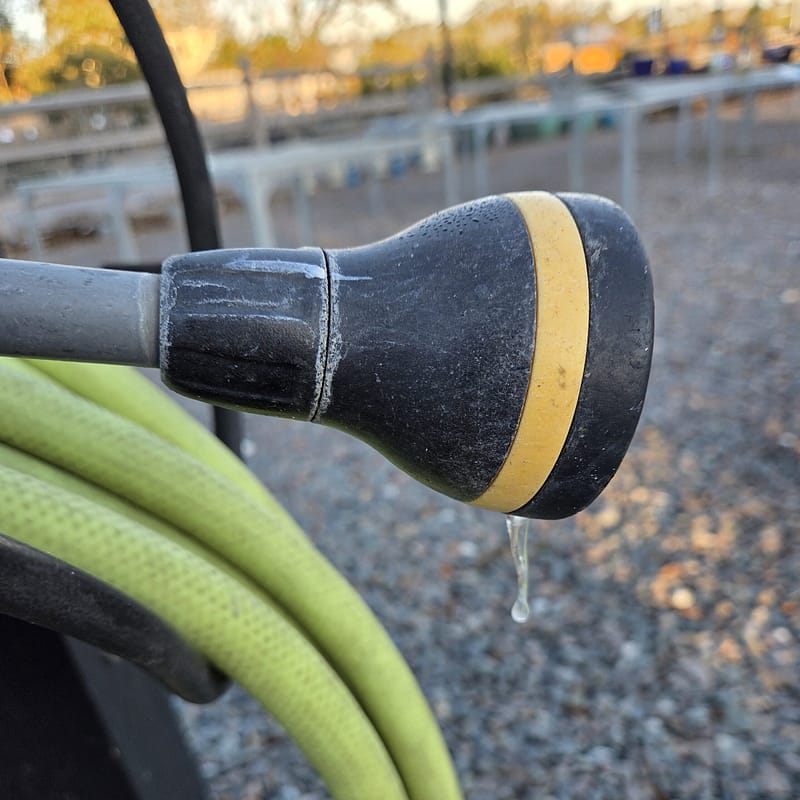


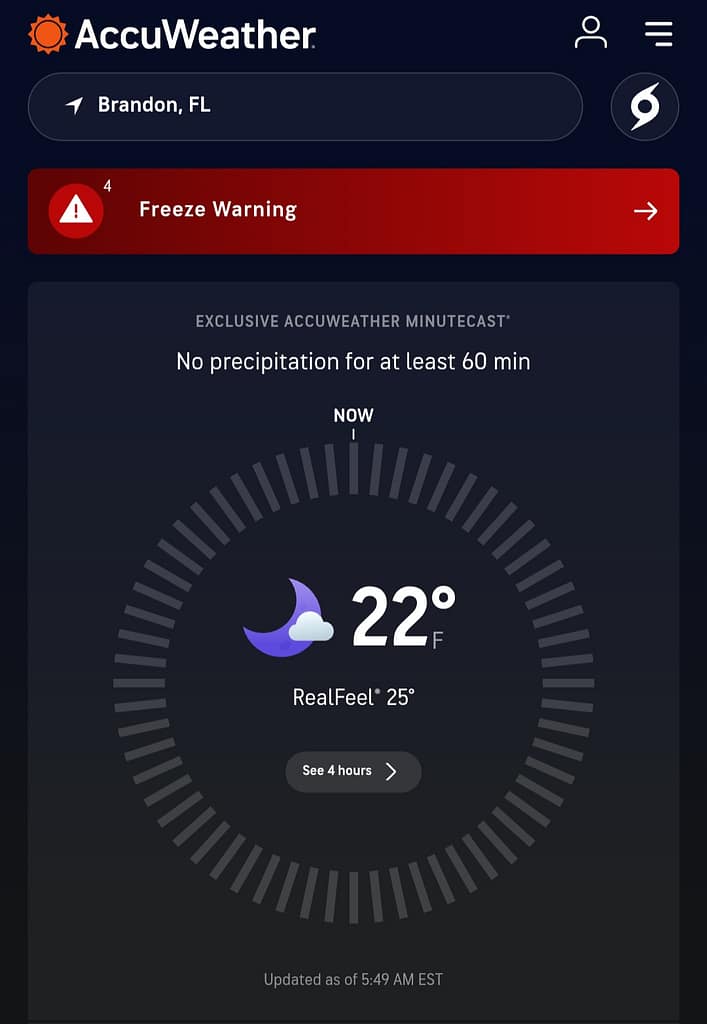
Come on, Groundhog. I don’t care if you saw your shadow. I’m done with the cold. On Monday morning at the nursery, right around dawn, the low temp hit 22 degrees. That is way too cold! It’s like Florida forgot that it is Florida, at least for a moment. And while we are supposed to get into the upper 30s again tonight, we are in for gorgeous, mild weather in the coming weeks.
What probably don’t look gorgeous, though, are some of your plants. Your Crotons, Ixora, Hibiscus, Firebush, and Pentas are probably looking a little sad. But have patience. Many of the plants that got burned by the cold temperatures will return to their former glory again as we enter spring. But they won’t do it right away. Here are some of our tips for managing landscape plants damaged by the cold:
- Be patient. Don’t start pruning plants immediately. If we get cold again, those frozen branches and leaves will help insulate and can protect the plant from further damage. The exception here would be if you have rotten or mushy stems and leaves. If you see anything like that on your plants, go ahead and cut that away.
- Water. It’s been cold, dry, and windy, so plants often have dried out a bit. Give them a good soaking as warm afternoons return, getting them back to their regular watering schedule.
- Don’t fertilize. It’s not time yet. When the end of February arrives and we are past the risk of more frost and freeze, it will be time to feed plants and encourage them to grow.
- Watch for potential disease issues. Since frozen foliage sort of melts like lettuce that’s been put in the freezer, it can harbor disease issues once we start to get warm. Cut rotting bits of leaves, branches, or stems away, especially on palms, and to keep disease at bay, spray with a Liquid Copper Fungicide.
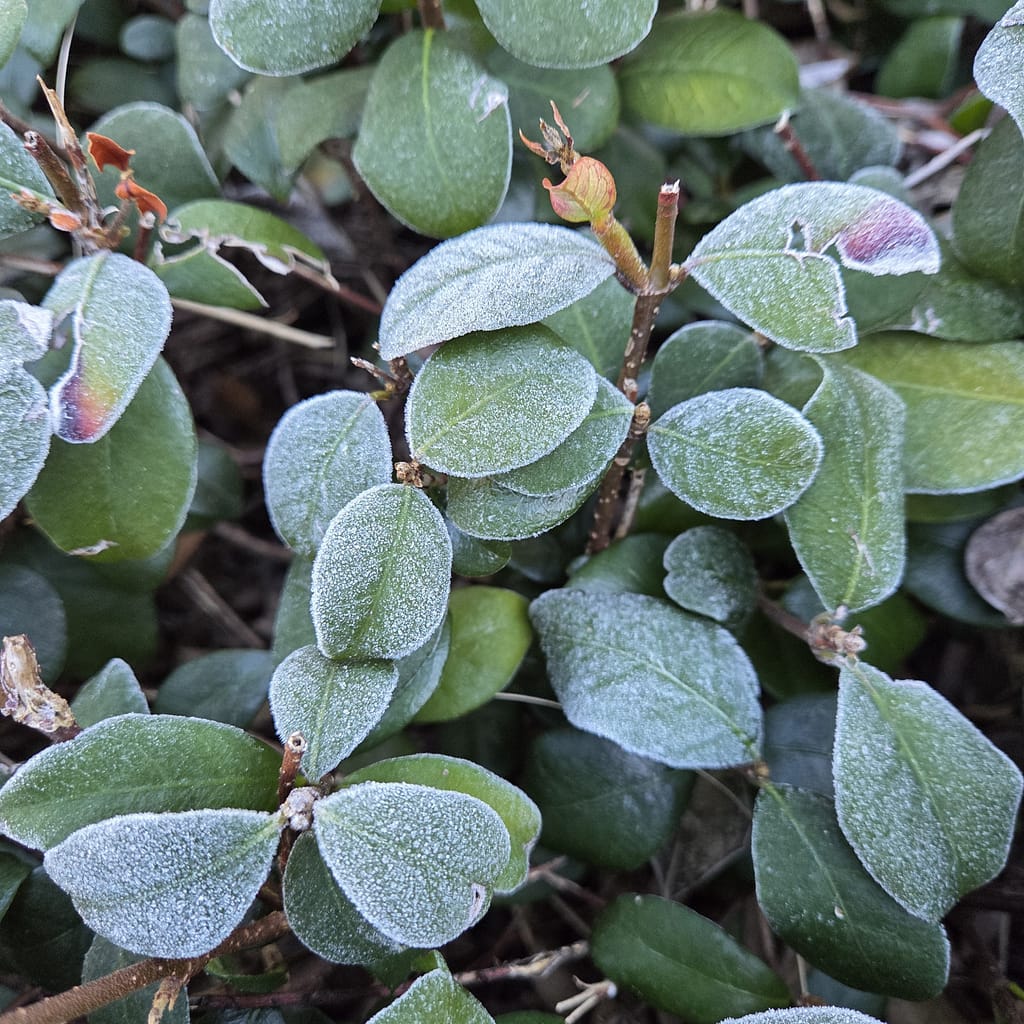
Those are the basics of what to do after a freeze, and since the cold we’ve had is the coldest it has been since at least 2010, we’re also hosting a free seminar on “What to Do After the Cold” this Saturday, February 7th at 12 pm (after Yoga in the Garden at 10 am). I’ll review what you can do for a variety of different types of plants to give them the best chance of recovery. And since replacement of some plants will probably be in your future, we’ll look at some of our favorite cold hardy options that will have you sipping hot cocoa by the fire next winter, instead of worrying about freezing plants. We hope you’ll join us.
The groundhog may have predicted six more weeks of winter, but I predict that in six weeks we’ll be soaking up the sun, planting veggie gardens, and enjoying Florida being Florida again. The way it is supposed to be.